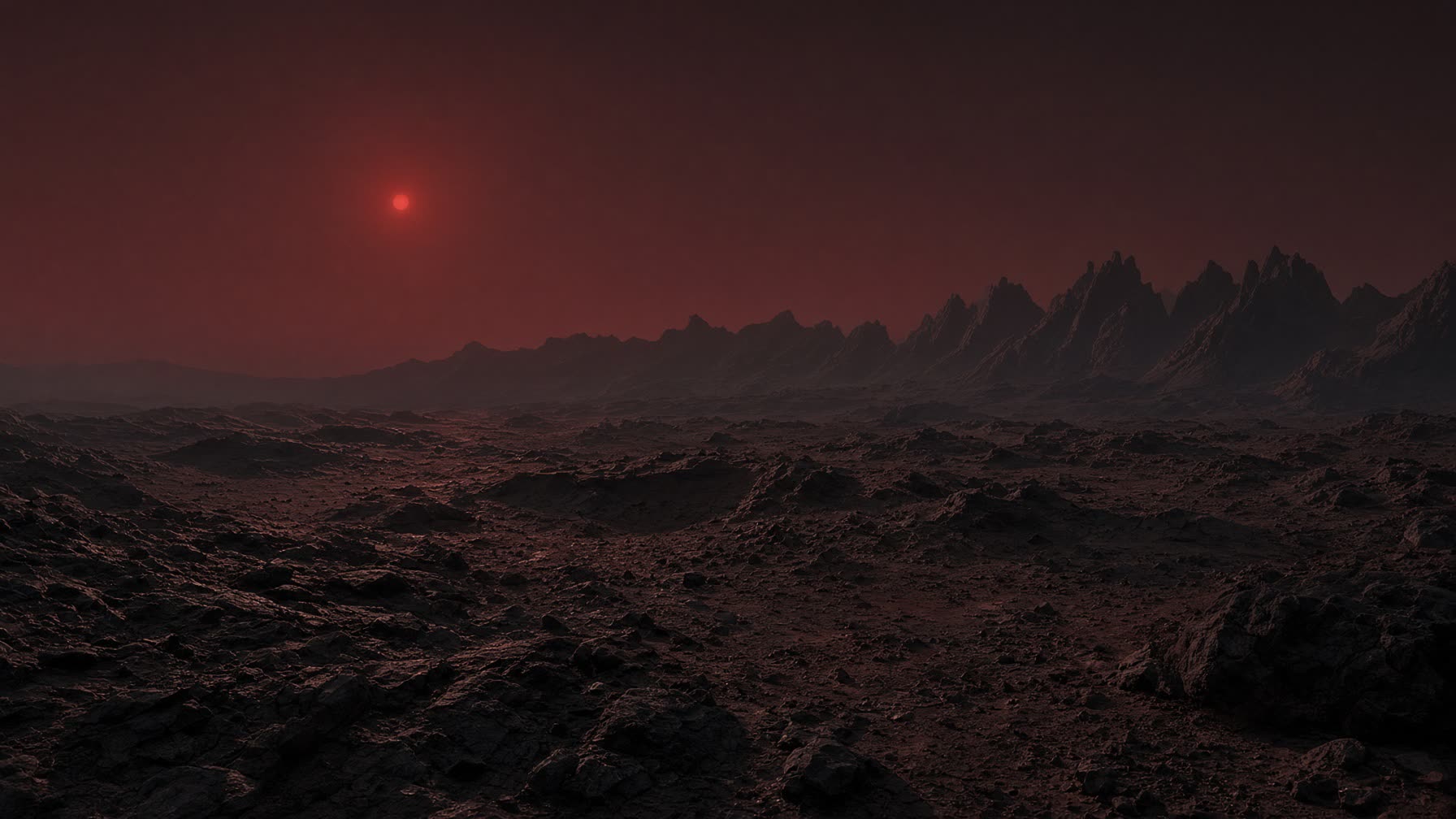
Indirect light. Incomplete knowledge.
TRAPPIST-1e
How do we know a world we cannot see?
This picture is an artist concept, not a photograph.
Words Eve reads
TRAPPIST-1e. A name. A size. A distance. Not a landscape we have walked. Could people live there? We cannot say. We have no surface weather, no air sample, no photograph of the ground. Distance is about 40 light-years. A person cannot go. Could life exist there? Unknown. The planet is in the habitable zone of a small cool star, which only means liquid water is not ruled out by starlight alone.
First look
A name. A size. A distance. Not a landscape we have walked.
Could people live there?
We cannot say. We have no surface weather, no air sample, no photograph of the ground. Distance is about 40 light-years. A person cannot go.
We cannot say yet.
Could life exist there?
Unknown. The planet is in the habitable zone of a small cool star, which only means liquid water is not ruled out by starlight alone.
We cannot say yet.
Where
About 40 light-years away.
Look closer
TRAPPIST-1e was found by transits: the starlight dips when the planet crosses the star. From the dip, period, and follow-up, we infer size and a rough mass. That is how we know.
How we know
The starlight dips when the planet crosses the star. We have not seen the ground.
So far that light itself is a 40-year letter.
About 40 light-years.
We measured this.
Perhaps near Earth's. Not walked.
Uncertain. Size is near Earth's.
This is the best reading of the evidence.
We have not smelled it.
Unknown. JWST is still looking.
We do not know yet.
Depends on air we have not measured.
In the habitable zone by starlight. Surface climate unknown.
This is a model, not a photograph of the thing.
May be locked to its star.
Orbit about 6 Earth days. Rotation not photographed.
This is the best reading of the evidence.
Possible only if the air allows it.
Unknown.
We cannot say yet.
A small flare-star nearby is a question.
Unknown at the surface.
We do not know yet.
What this world gives
A size near Earth's, and a place in the zone where starlight might allow liquid water if an atmosphere exists.
What is missing
Almost every local fact: air, oceans, magnetic field, land, life. Also a way to go.
What could we build?
If a body cannot live in the open, a habitat is the next question. Engineering can try to rebuild pieces of Earth. Gravity, distance, and a world's own chemistry still remain.
Keep looking
Habitable zone is a starlight argument, not a postcard. This page belongs beside How Do We Know? Because the honest answer is a method.
Even a perfect Earth twin at 40 light-years is not a home we can visit. Knowledge here is a method, not a suitcase.
What we do not know yet. Whether it has an atmosphere at all. JWST is still working on that. First looks have not confirmed one. Treat every picture of the ground as an artist concept.
A way back into the real
Look at a far streetlight. You can tell it is bright. You cannot tell if anyone is home. That is the shape of exoplanet knowledge today.
Sources dated 2026-04. Science changes. We date it.
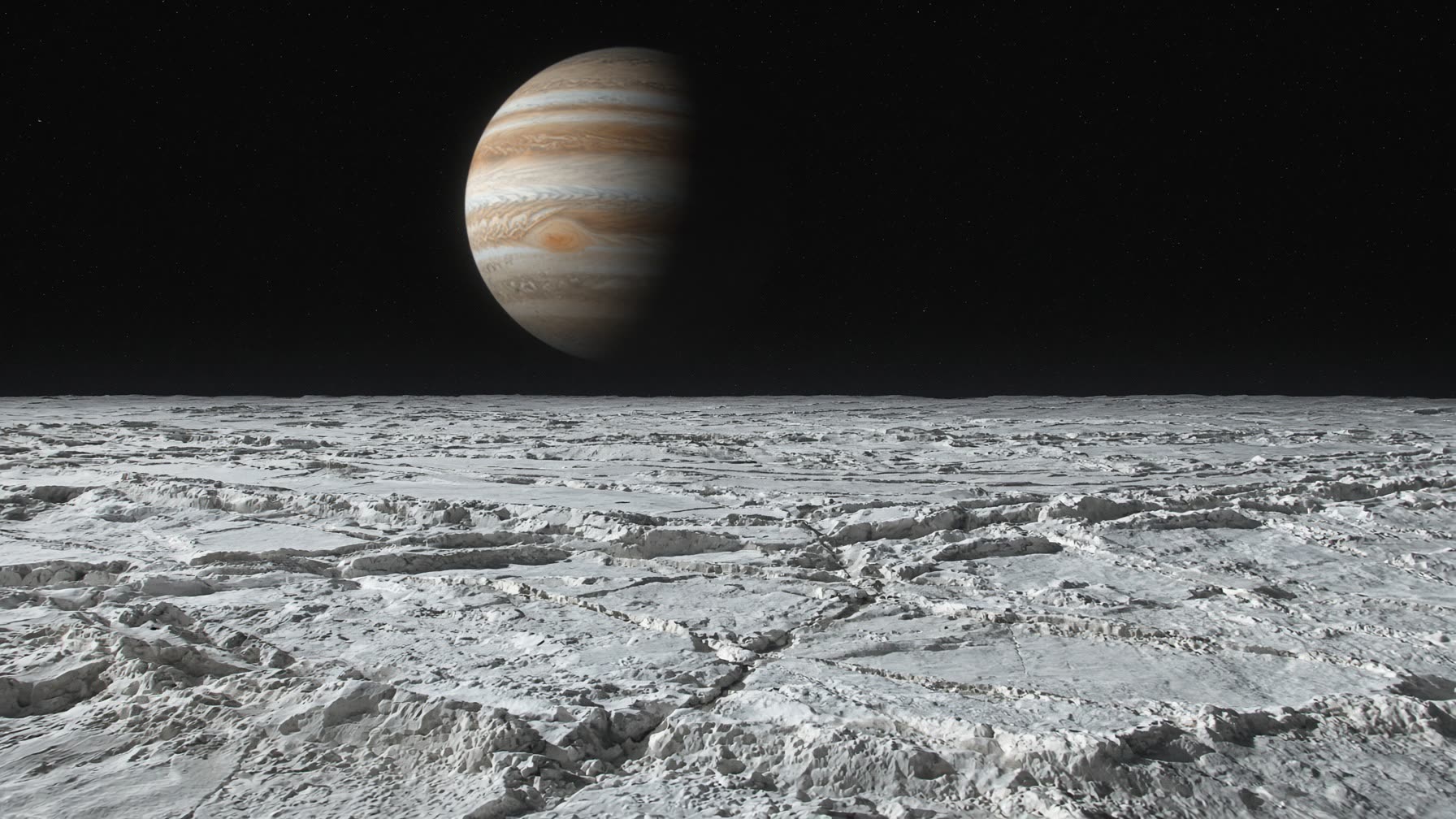
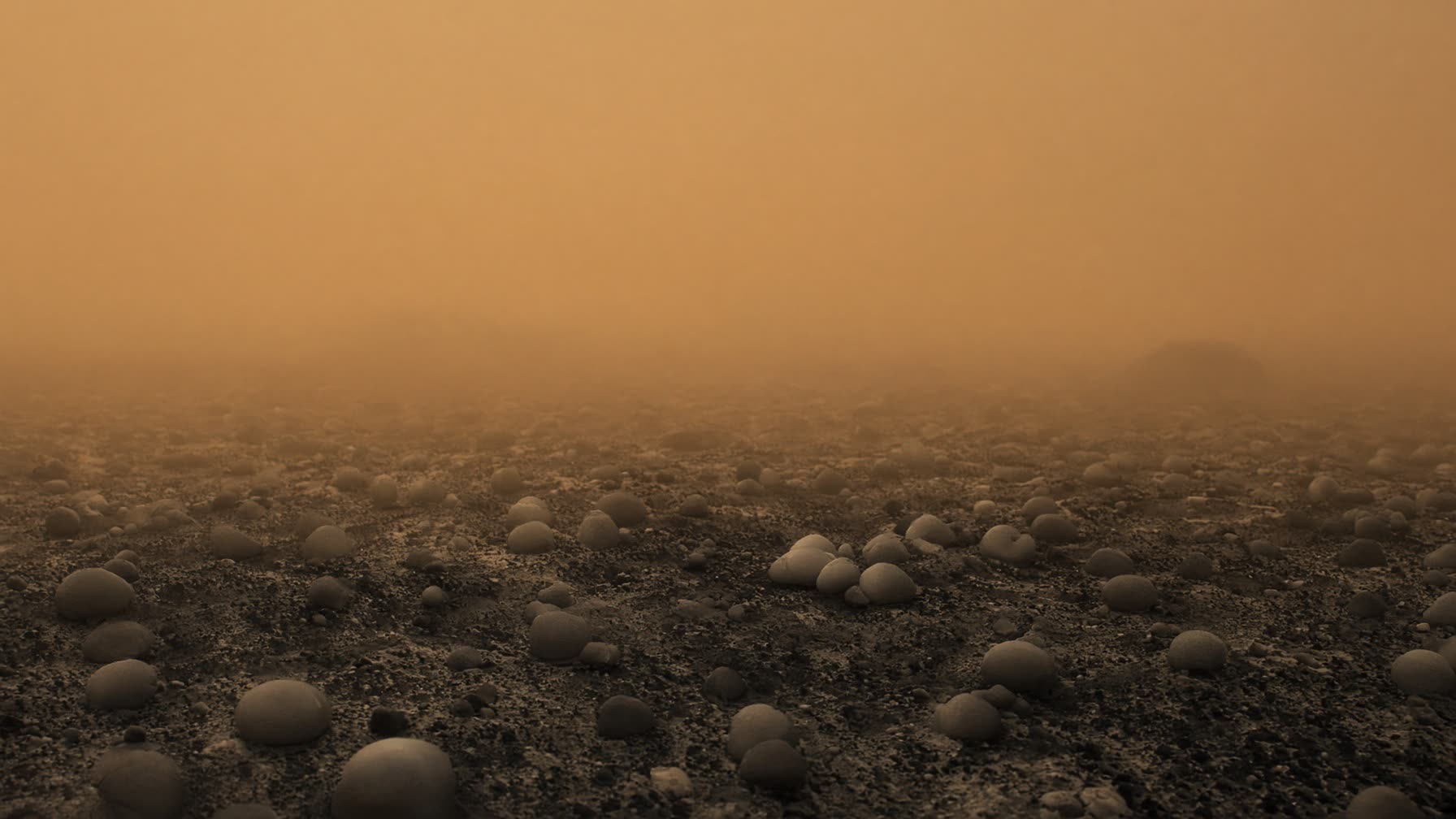
Europa, Titan, and TRAPPIST-1e keep this same order on their own pages. Companion worlds: Europa, Titan, TRAPPIST-1e.
Other worlds as tests
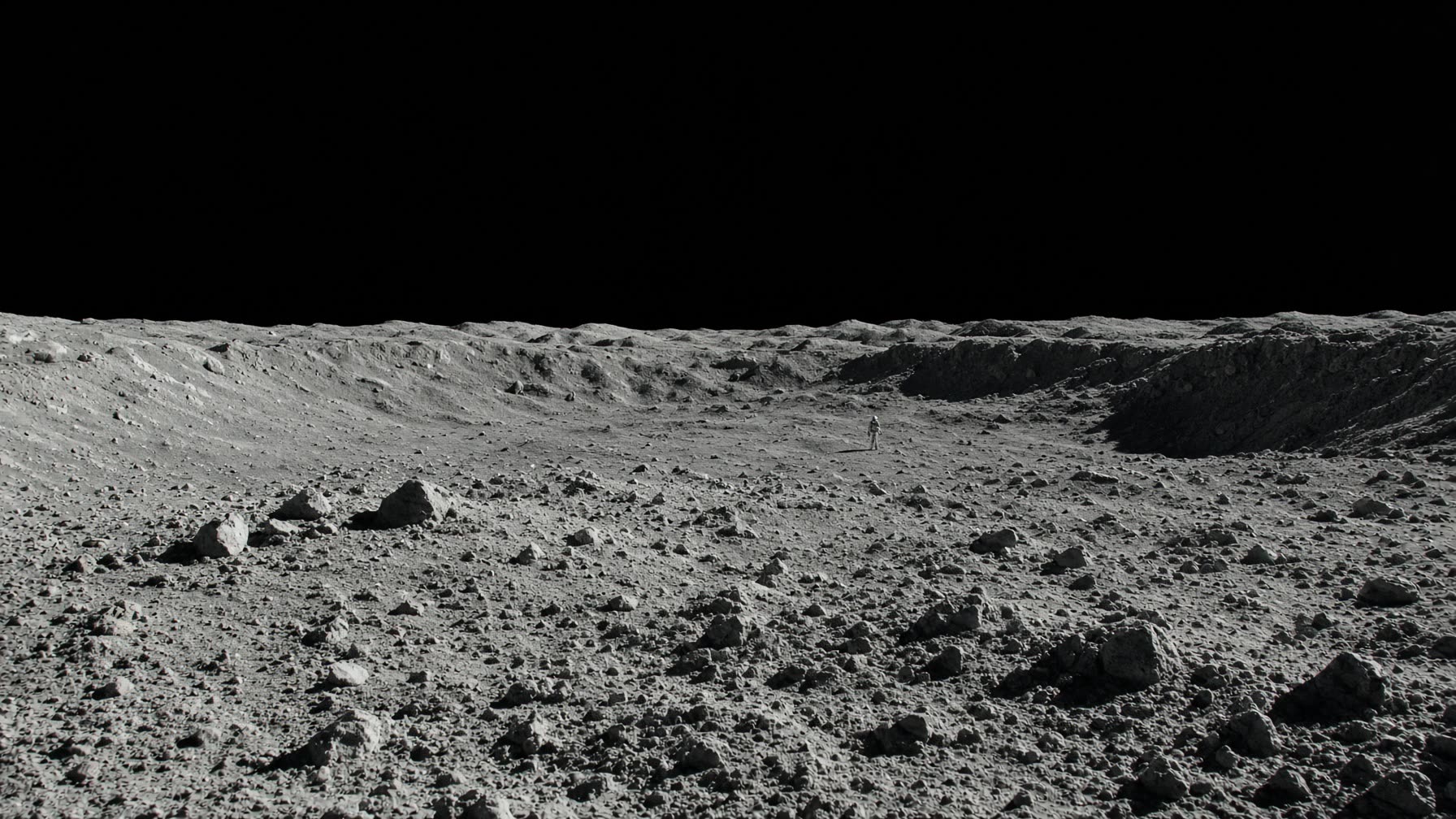
Same question. Different air. The pictures are photographs of worlds. Size lives in the story, not as a bar on the picture.