A small comparison set
Worlds
Earth is the world a child can test. The others sit beside it so the question can change shape. People living there, and life existing there, stay two questions. Mars may appear. It is one test of the same question.
Other worlds as tests
Same question. Different air. The pictures are photographs of worlds. Size lives in the story, not as a bar on the picture.
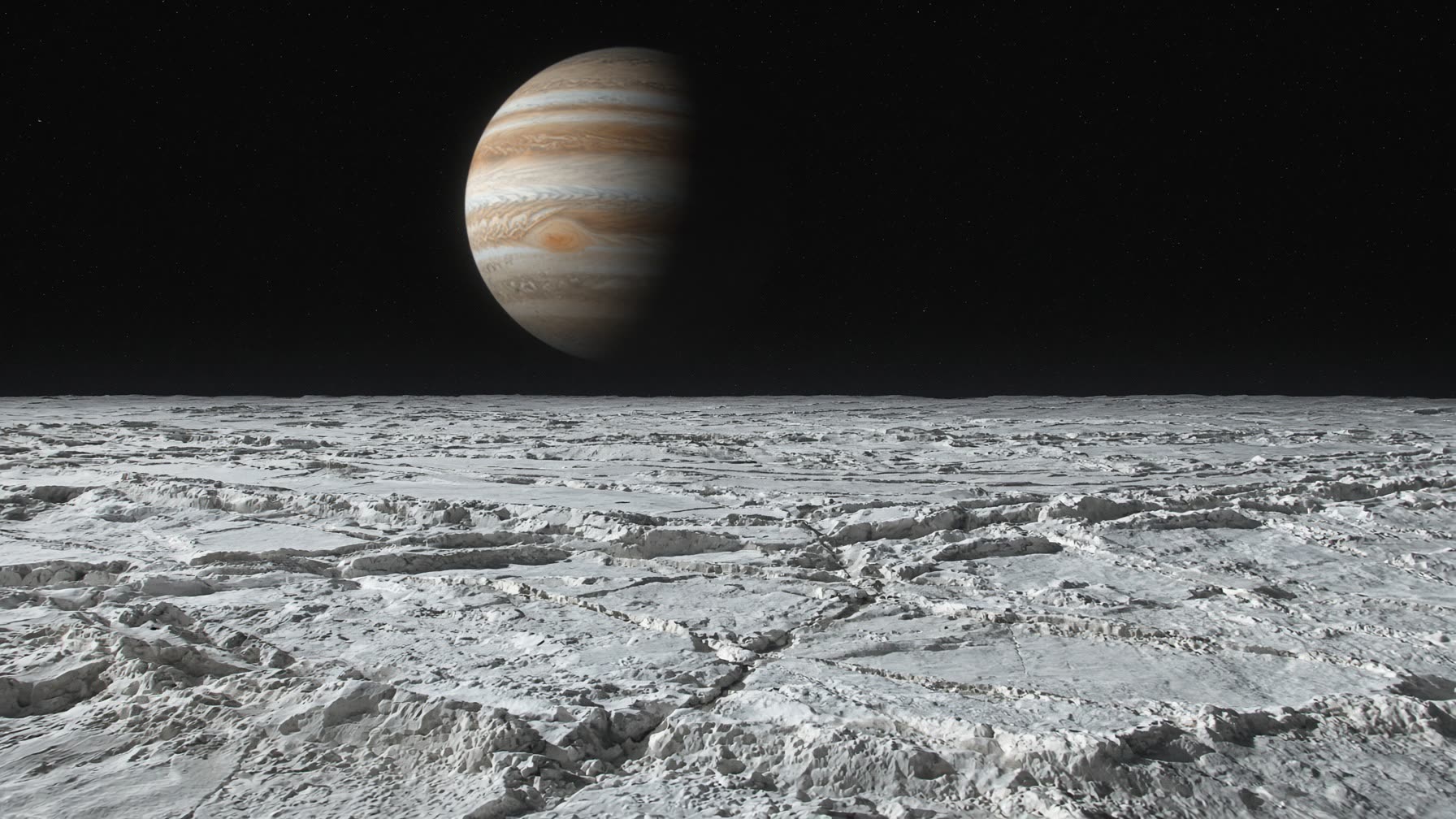
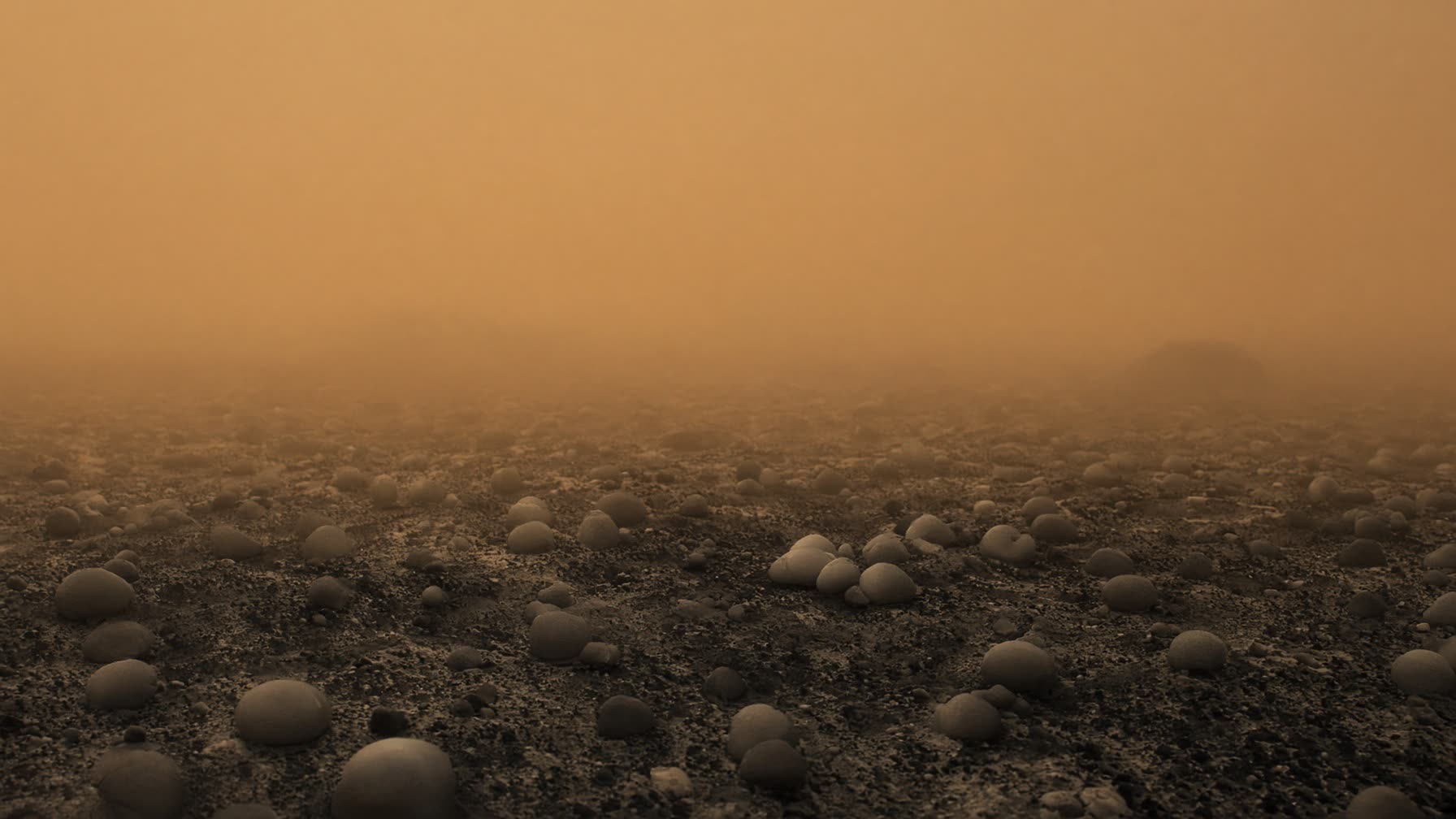
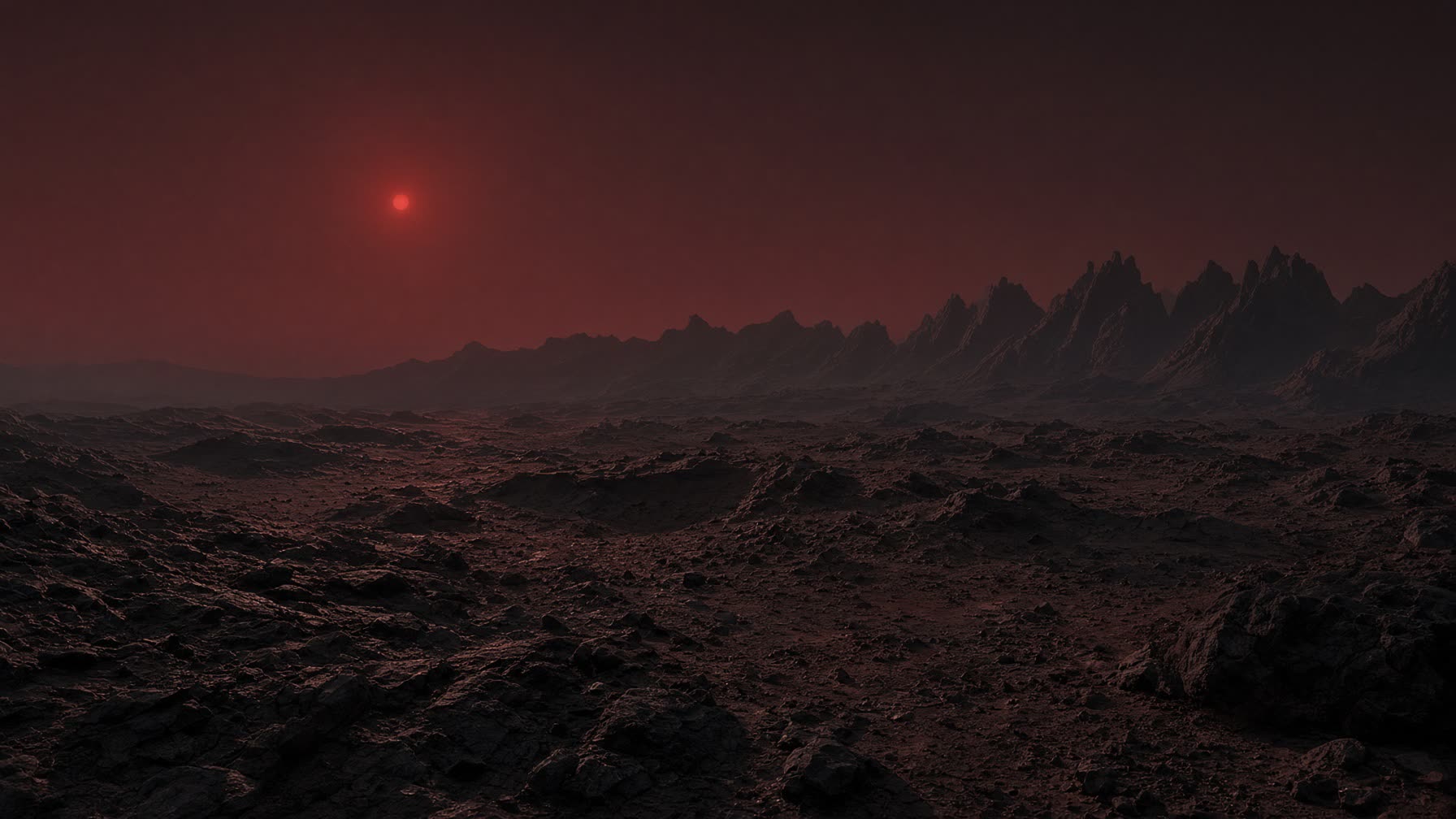
Same questions. Three worlds.
Each column uses the same order and the same kinds of unit. Diameters are not shown here. This plate is about conditions, not cartoon size.
The table is wide. Slide sideways to keep the three worlds together.
| Question | 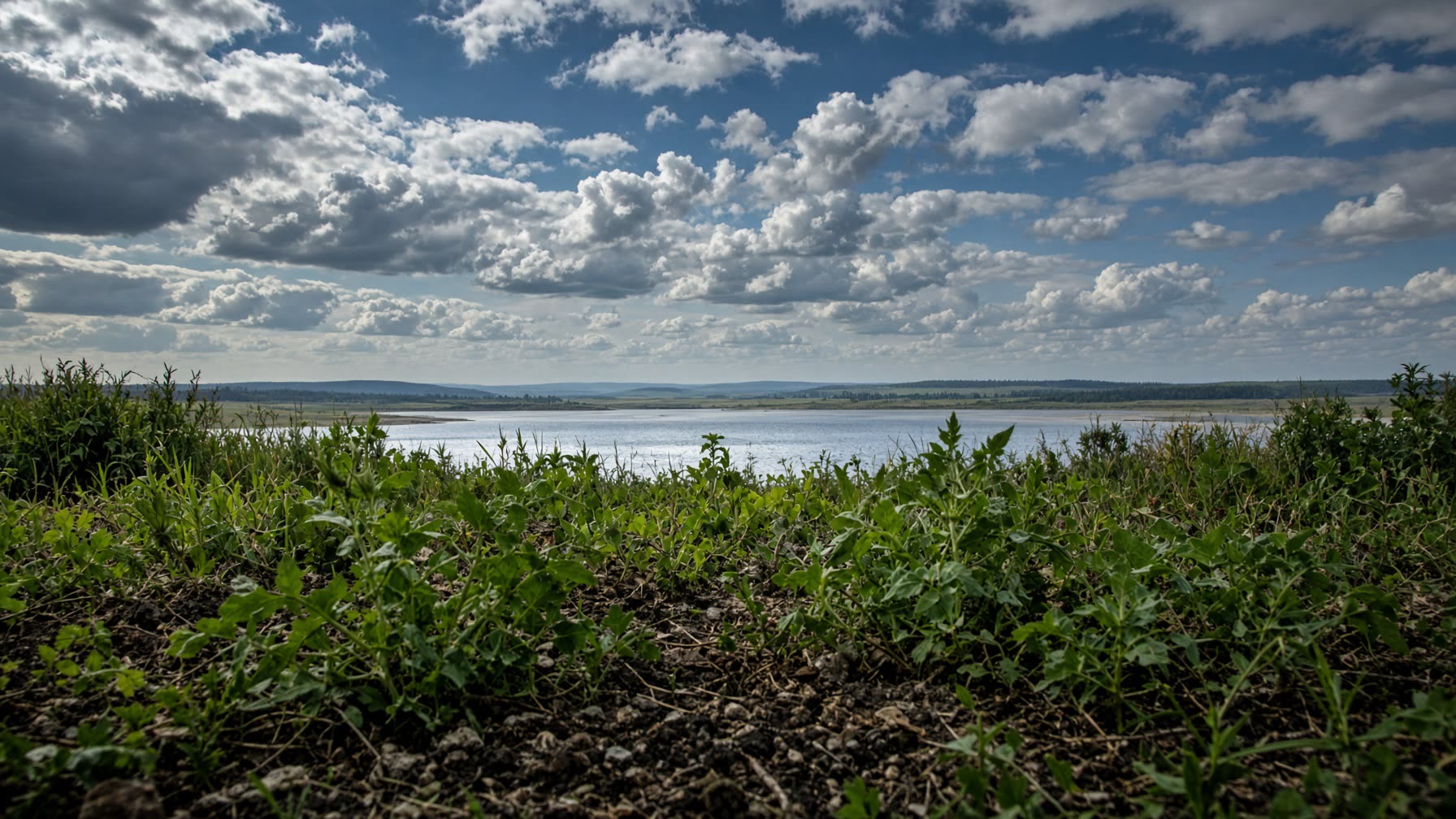 Earth Earth | 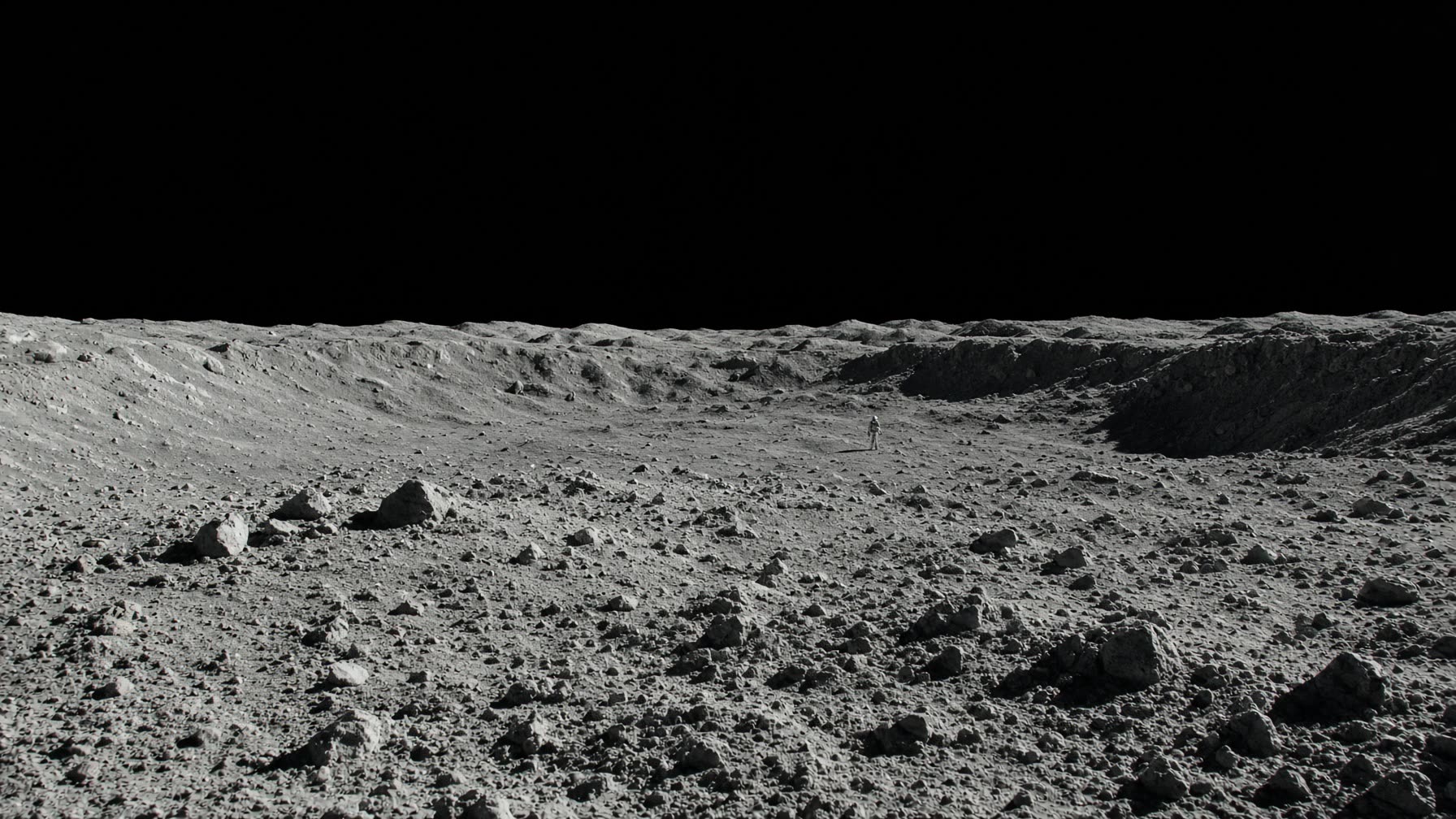 The Moon The Moon |  Mars Mars |
|---|---|---|---|
| Distance | You are already here.0. Home. | The nearest world that is not ours.About 384,400 km. Light takes about 1.3 seconds. | Far enough that a message is not a conversation.About 1.5 AU from the Sun. From Earth, months of travel. Light-time minutes to tens of minutes. |
| Gravity | The pull your body practiced.1 g | A bounce instead of a walk.About 0.17 g | You would weigh less. Bones would notice, over years.About 0.38 g |
| Air | You are breathing a mix the body expects.1 atm. About 21 percent oxygen. | None you can breathe. None you can stand in.Vacuum. An exosphere, not an atmosphere. | You cannot breathe it.Mostly carbon dioxide. Pressure about 6 mbar, about 0.6 percent of Earth's. |
| Temperature | A range life already uses.Around 14 to 15 C on average at the surface. | Boiling noon, frozen night.About 127 C in sun, about -173 C in darkness. | Mostly winter. Sometimes a strange noon.From about 20 C down to about -153 C. |
| Day | A spin the body sleeps inside.24 hours | Noon to noon is about a month of Earth days.About 29.5 Earth days from one lunar noon to the next. | Almost our day. Almost.A sol is 24.6 hours. A year is 687 Earth days. |
| Water | Liquid, in the open, in rivers and rain.Most of the surface is ocean. | Ice in the dark, not rivers in the sun.Water ice in permanently shadowed polar craters. | Ice, not a river you can drink.Polar and underground water ice. Surface liquid water does not last in this thin air. |
| Radiation | A magnetic field and thick air do this work for you.Shielded enough for outdoor life. | No thick air. No global magnetic umbrella.The surface is exposed. | The sky does less work here.About 0.64 mSv per day on the surface from galactic cosmic rays (Curiosity RAD). |
Europa, Titan, and TRAPPIST-1e keep this same order on their own pages. Companion worlds: Europa, Titan, TRAPPIST-1e.