These are not the same question.
Europa
Could people live there? Could life exist there?
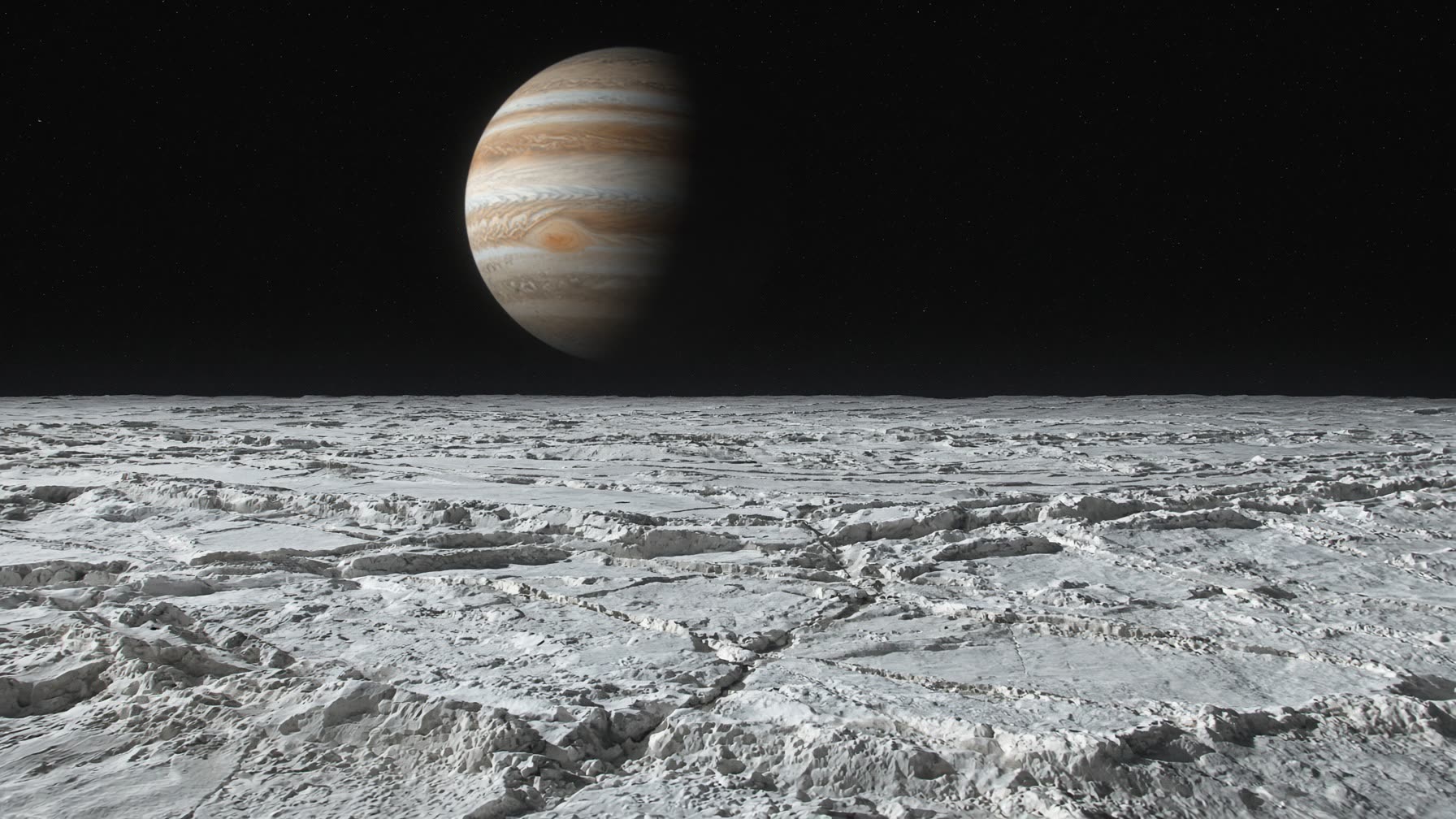
This picture is an artist concept, not a photograph.
Words Eve reads
Europa. A ball of ice around a hidden sea. Could people live there? No, not on the surface. Radiation at the ice would make a human day unsurvivable without enormous shielding. The surface is not a place to stand. Could life exist there? We do not know. A global salty ocean is inferred under the ice. That is a reason to look, not a discovery of life.
First look
A ball of ice around a hidden sea.
Could people live there?
No, not on the surface. Radiation at the ice would make a human day unsurvivable without enormous shielding. The surface is not a place to stand.
This is the present scientific picture.
Could life exist there?
We do not know. A global salty ocean is inferred under the ice. That is a reason to look, not a discovery of life.
We do not know yet.
Where
A moon of Jupiter.
Look closer
Galileo's magnetometer inferred a conducting layer, most likely salty water, under the ice. That is inference from physics, not a photograph of fish.
How we know
Galileo's magnetometer. A conducting layer, most likely salty water. Inference, not fish.
Out at Jupiter. Years of travel.
A moon of Jupiter. Light-time from Earth is tens of minutes.
We measured this.
Less than the Moon.
About 0.13 g
We measured this.
Almost none.
A tenuous oxygen atmosphere, not breathable.
We measured this.
The ice is a hard sky.
Surface around -160 C or colder.
We measured this.
Locked to Jupiter.
About 3.55 Earth days, tidally locked.
We measured this.
Probably a sea with a frozen roof.
Global subsurface ocean, inferred.
This is the best reading of the evidence.
The surface is not for bodies.
About 5.4 sieverts per Earth day at the ice.
Jupiter's magnetosphere. A human day on the surface is not survivable.
We measured this.
What this world gives
A deep water ocean, likely in contact with rock, heated from inside. Chemistry worth asking about.
What is missing
A livable surface, air, low radiation, warmth you can stand in, and any confirmed life.
What could we build?
If a body cannot live in the open, a habitat is the next question. Engineering can try to rebuild pieces of Earth. Gravity, distance, and a world's own chemistry still remain.
Keep looking
Some hoped ice volcanoes, cryovolcanism, would spray ocean water into space. Hubble hints from 2014 no longer hold. That was a measurement that failed a second look, not a photograph of a geyser. Enceladus, a moon of Saturn, has photographed plumes. Europa does not, yet. NASA's Europa Clipper launched in 2024 and is traveling to look again. ESA's JUICE will also look. Until then, life on Europa stays an open question. Do not say it is there.
The ice shell may be tens of kilometers thick. Surface radiation is about 5.4 sieverts per day, enough to make a human day on the ice unsurvivable.
What we do not know yet. Ice thickness, ocean chemistry, whether the ocean touches a rocky seafloor in a useful way, whether ice volcanoes ever vent into space, and whether anything lives there. Europa Clipper is on the way to measure, not to settle the story in advance.
A way back into the real
Hold an ice cube. Imagine a sea under a frozen roof you cannot see. That is the honest picture.
Sources dated 2026-05. Science changes. We date it.
Europa, Titan, and TRAPPIST-1e keep this same order on their own pages. Companion worlds: Europa, Titan, TRAPPIST-1e.
Other worlds as tests
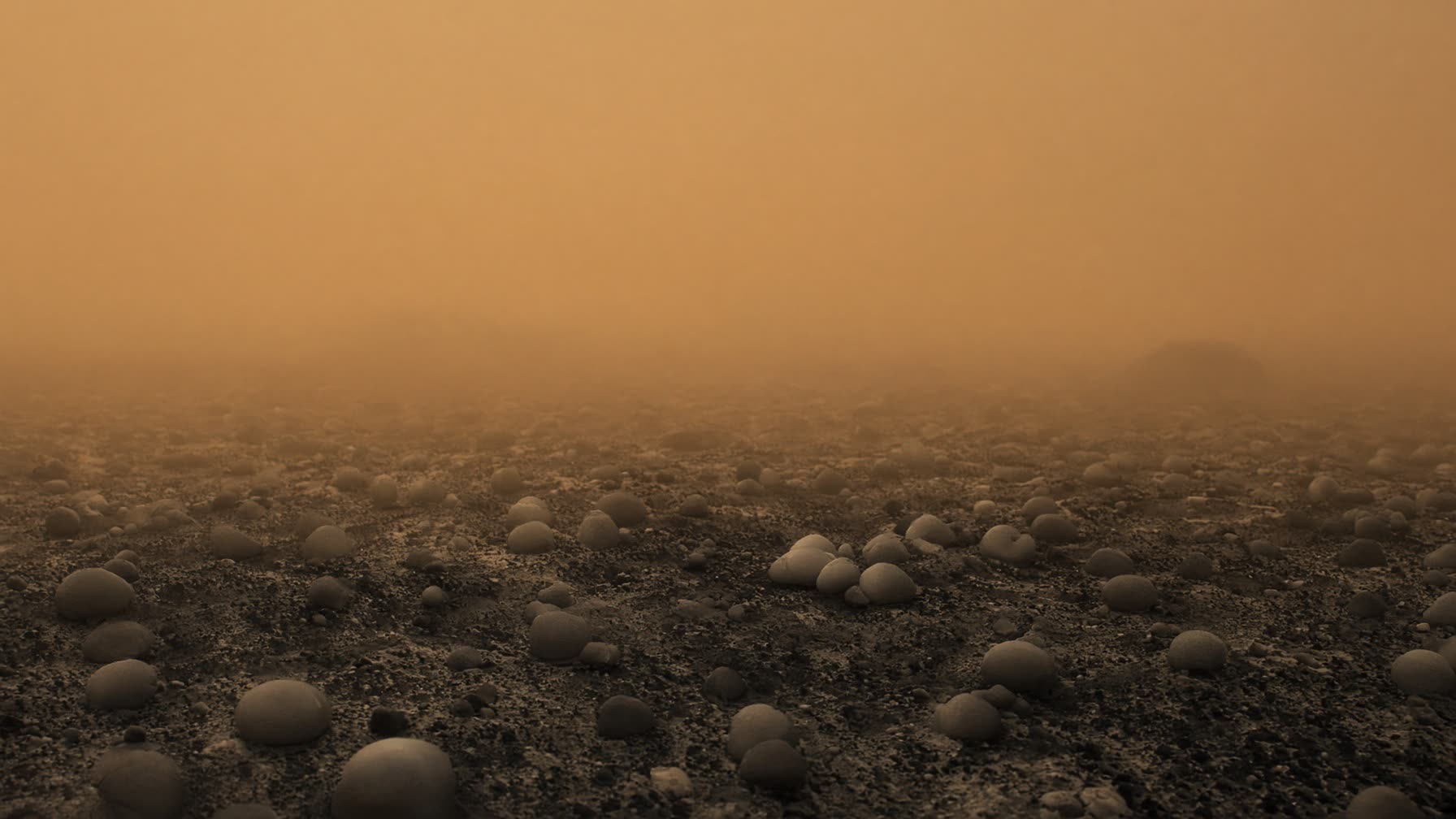
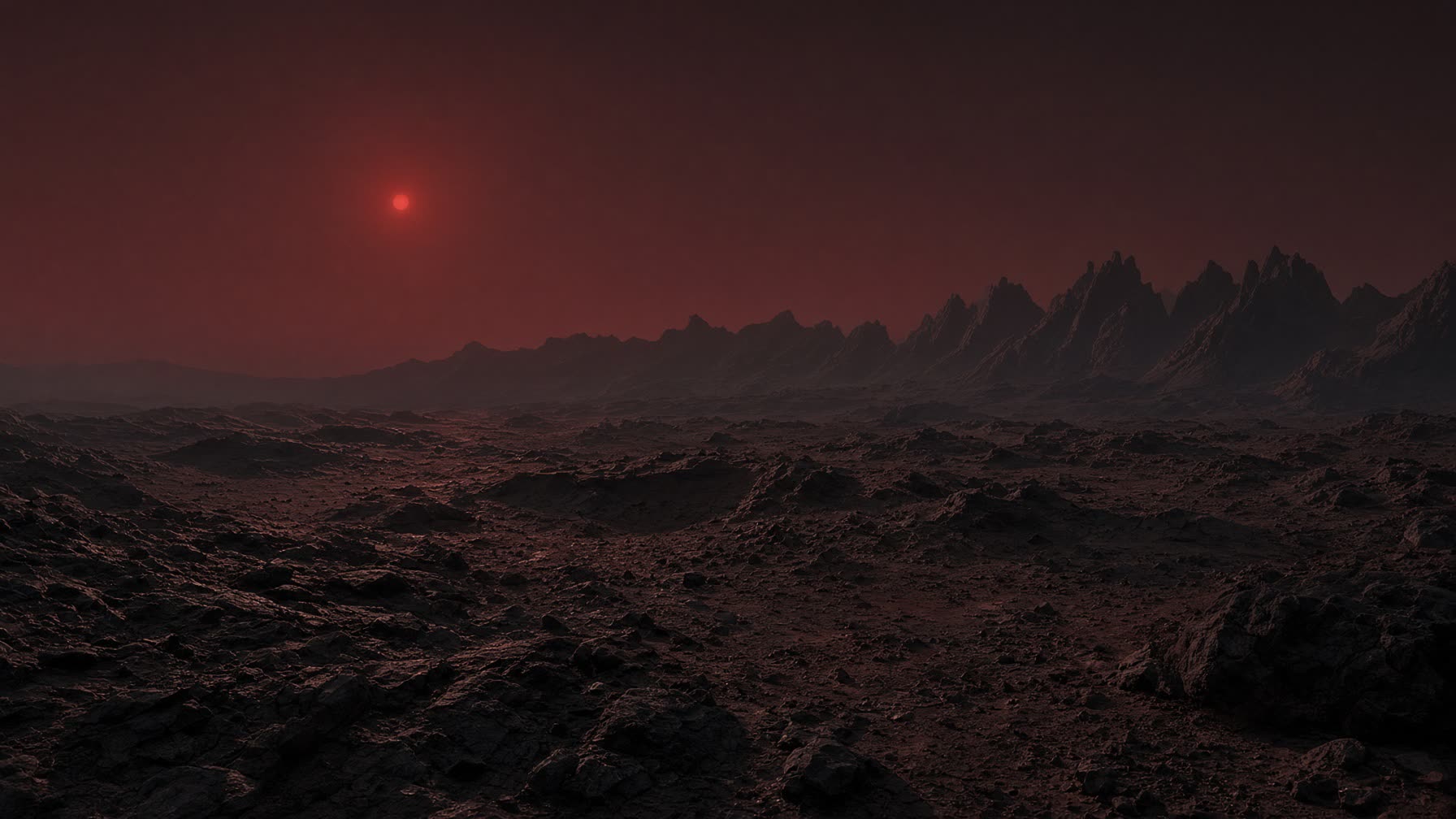
Same question. Different air. The pictures are photographs of worlds. Size lives in the story, not as a bar on the picture.