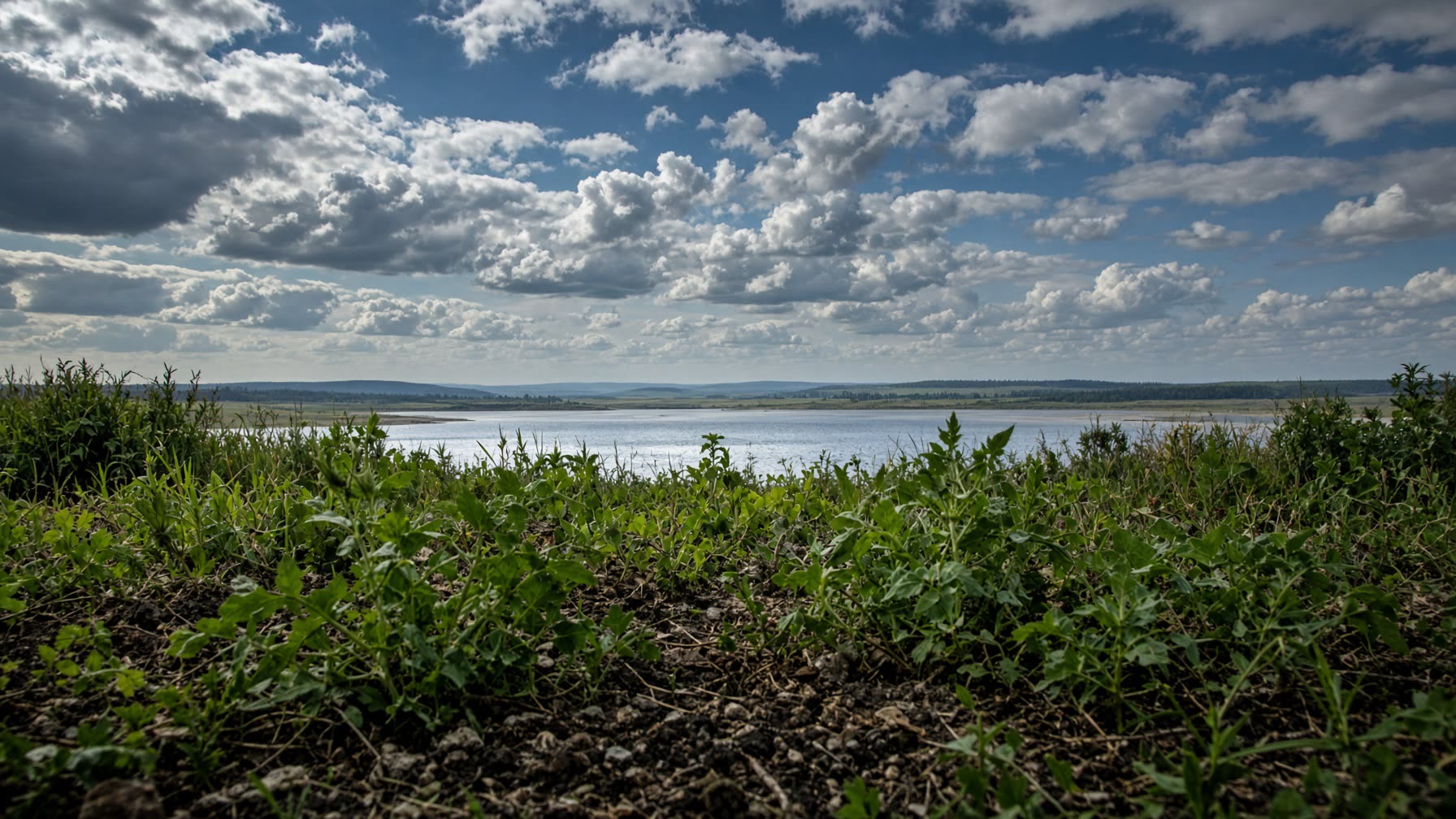
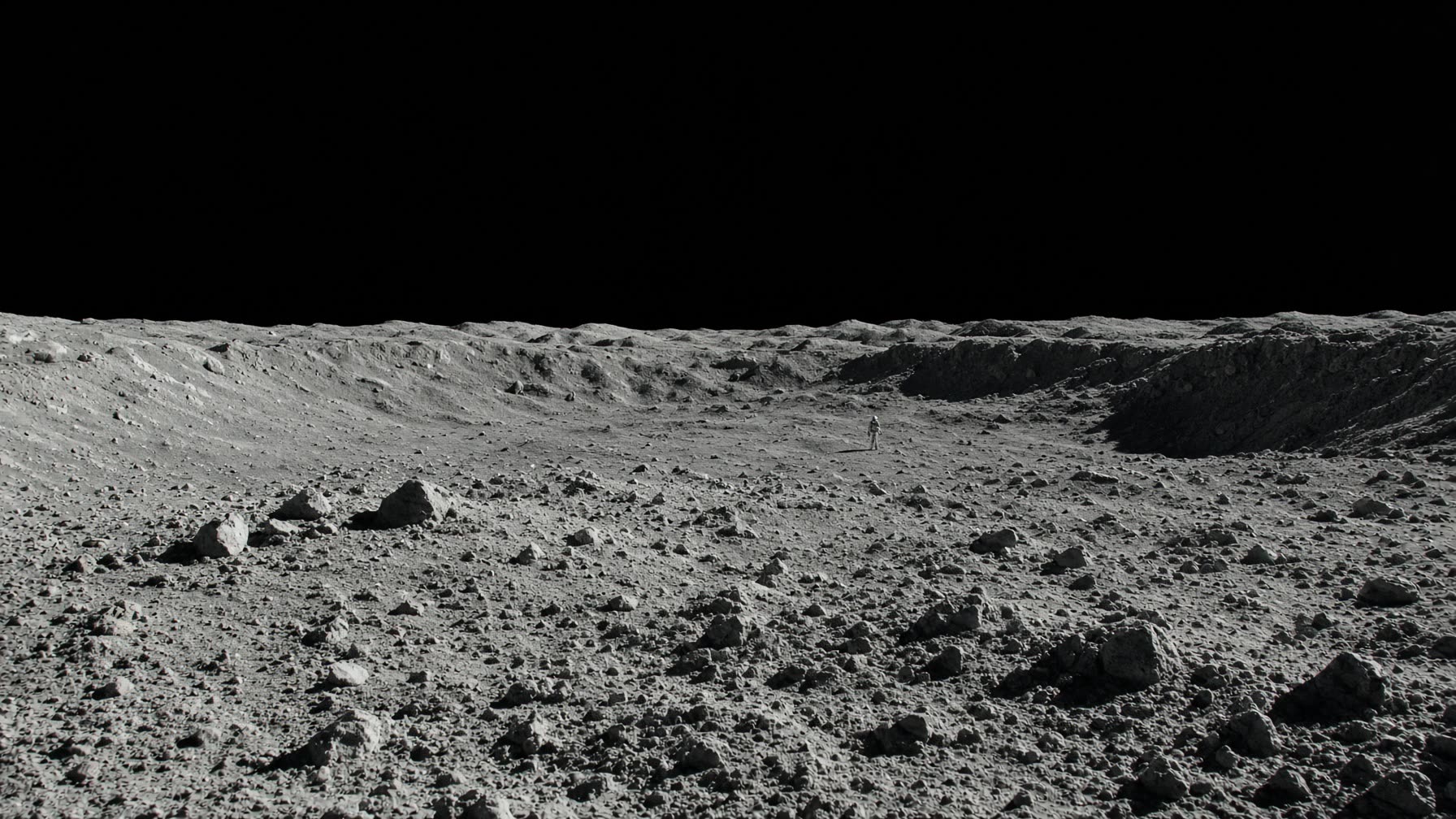
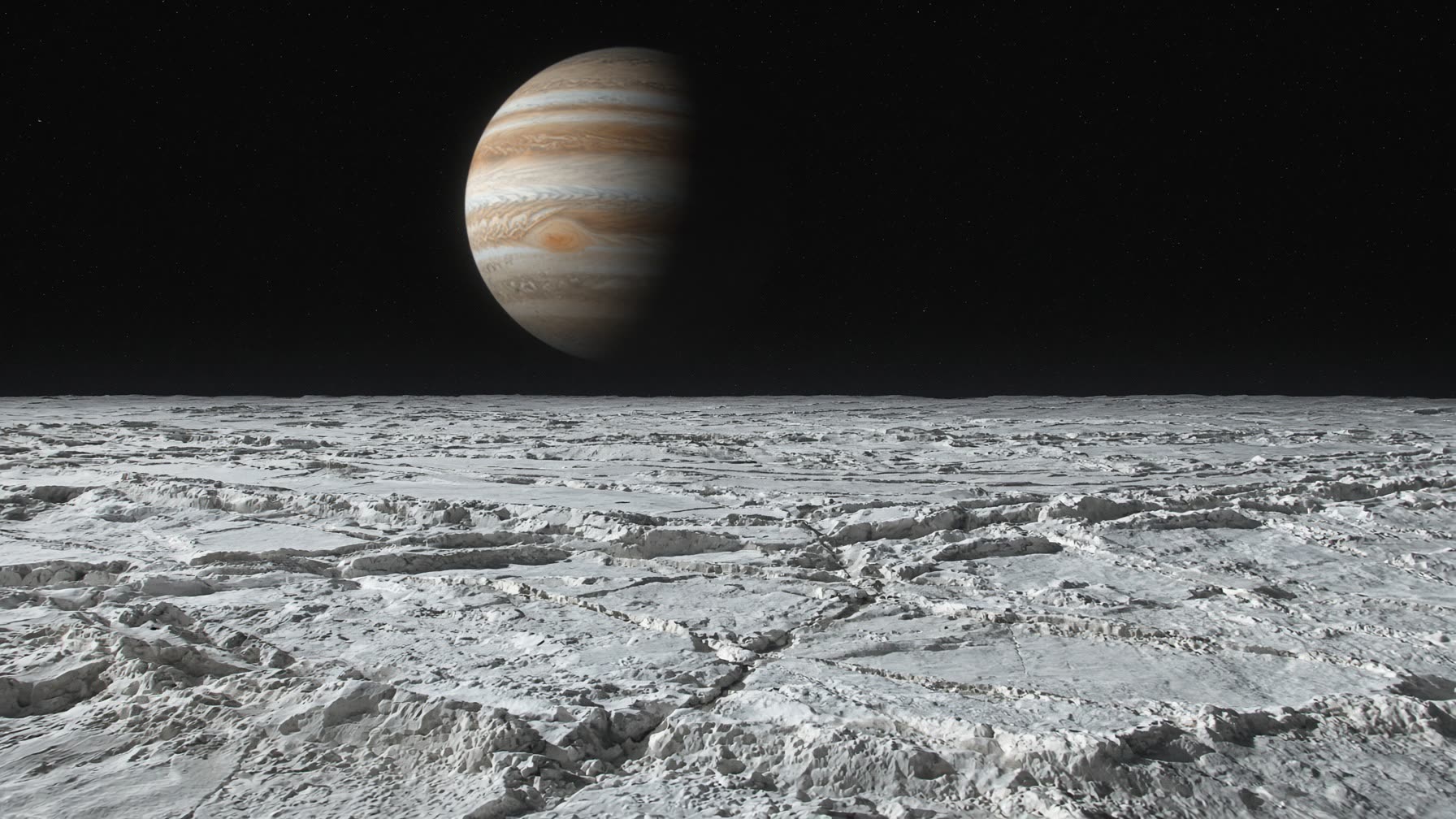
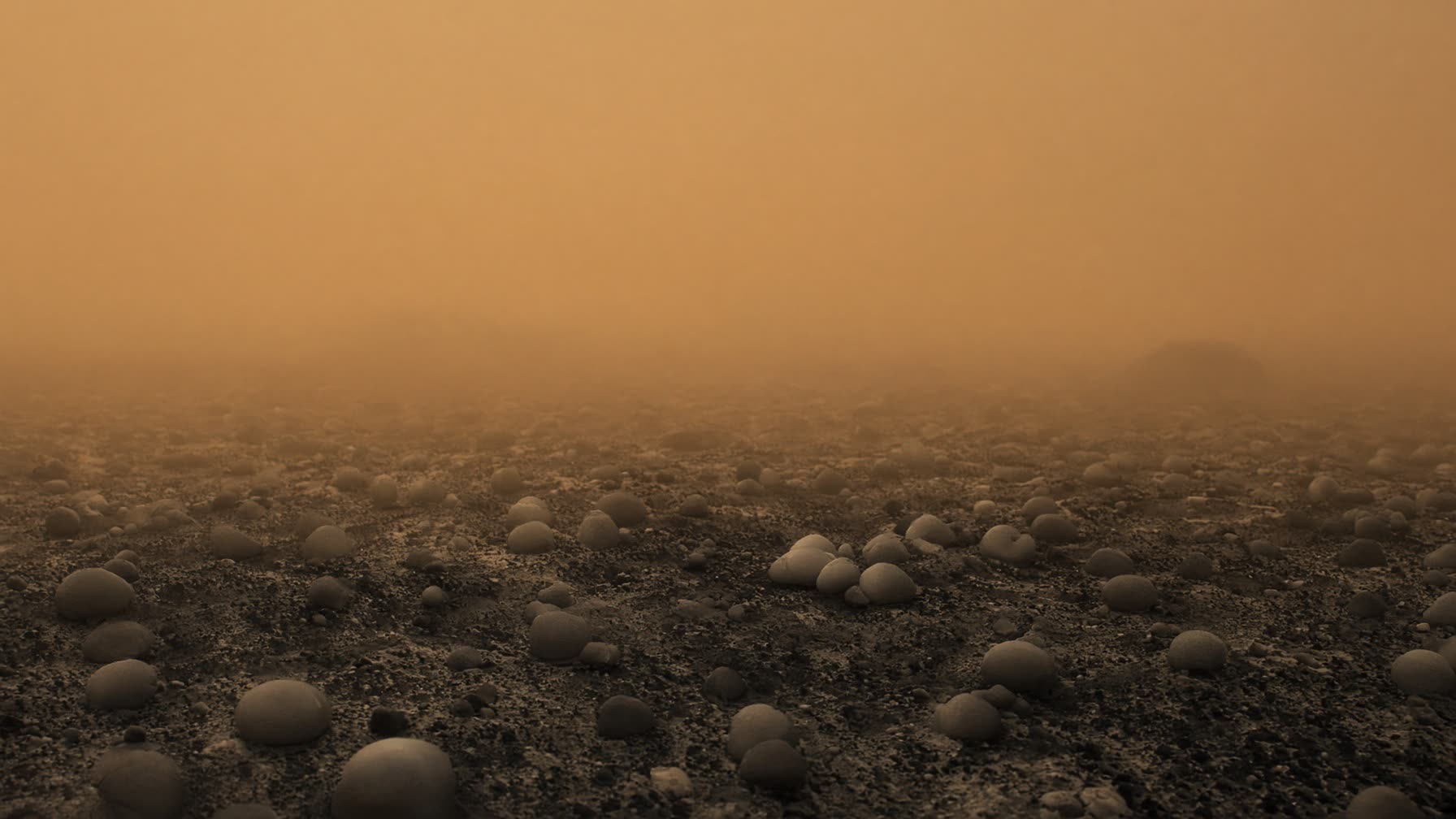
Begin with the planet, not the rocket.
Mars
Could we live there?
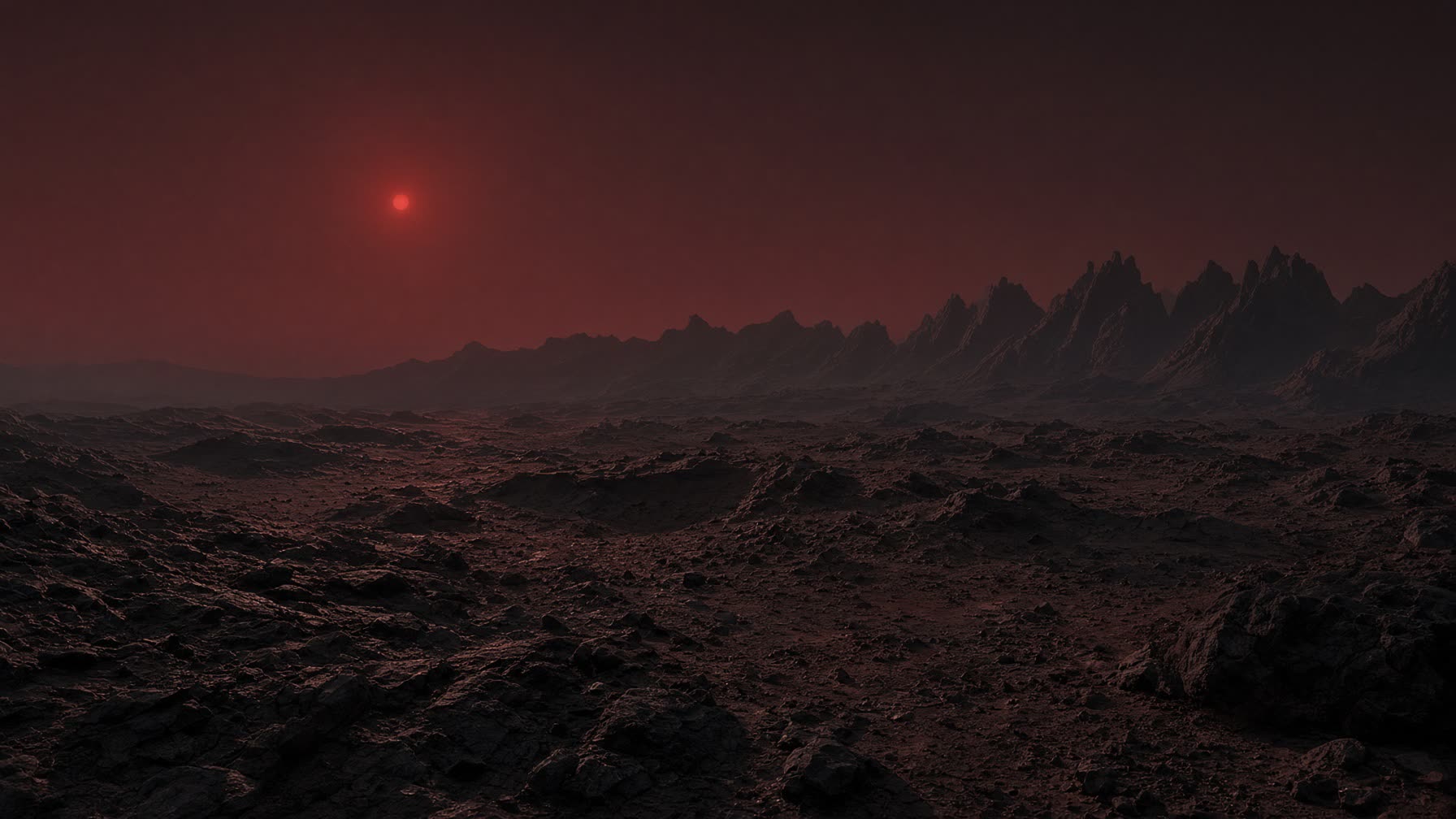
This picture is an artist concept, not a photograph.
Words Eve reads
Mars. Can I breathe? Is there water? Is it warm? Can I walk there? Could people live there? Not outside. A person would need a sealed home, air, water, power, heat, and shielding. Getting there is not the same as staying. Could life exist there? We do not know if Mars ever hosted microbial life. That question is still being asked with rocks, ice, and instruments.
First look
Can I breathe? Is there water? Is it warm? Can I walk there?
Could people live there?
Not outside. A person would need a sealed home, air, water, power, heat, and shielding. Getting there is not the same as staying.
This is the present scientific picture.
Could life exist there?
We do not know if Mars ever hosted microbial life. That question is still being asked with rocks, ice, and instruments.
We do not know yet.
Where
The next planet out from the Sun. Months of travel from Earth.
Look closer
Thin air, mostly carbon dioxide. Average pressure about 0.6 percent of Earth's. Gravity about 38 percent. Cold, with a noon that can feel split between spring at your feet and winter at your head. Water ice at the poles and under the ground.
How we know
Orbiters, landers, Curiosity's radiation detector, Perseverance's oxygen experiment. Named instruments, not a brochure.
Far enough that a message is not a conversation.
About 1.5 AU from the Sun. From Earth, months of travel. Light-time minutes to tens of minutes.
NASA: average 228 million km from the Sun. Sunlight about 13 minutes.
We measured this.
You would weigh less. Bones would notice, over years.
About 0.38 g
We measured this.
You cannot breathe it.
Mostly carbon dioxide. Pressure about 6 mbar, about 0.6 percent of Earth's.
We measured this.
Mostly winter. Sometimes a strange noon.
From about 20 C down to about -153 C.
NASA Mars facts, updated 2026-07-10.
We measured this.
Almost our day. Almost.
A sol is 24.6 hours. A year is 687 Earth days.
We measured this.
Ice, not a river you can drink.
Polar and underground water ice. Surface liquid water does not last in this thin air.
Seasonal slope streaks are still being interpreted. Treat flowing brine as disputed.
We measured this.
The sky does less work here.
About 0.64 mSv per day on the surface from galactic cosmic rays (Curiosity RAD).
Hassler et al. / RAD. No global magnetic field today.
We measured this.
What this world gives
A day almost as long as ours, water ice, carbon dioxide air that can be chemistry, sunlight, and a surface we can walk with a suit.
What is missing
Breathable air, Earth pressure, a global magnetic field, thick atmospheric shielding, reliable surface liquid water, and Earth gravity.
What could we build?
If a body cannot live in the open, a habitat is the next question. Engineering can try to rebuild pieces of Earth. Gravity, distance, and a world's own chemistry still remain.
Keep looking
A sol is 24.6 hours. A year is 687 Earth days. Sunlight takes about 13 minutes to arrive. Curiosity measured about 0.64 millisieverts per day from galactic cosmic rays on the surface. No global magnetic field today. Do not overpromise any machine.
Radiation, dust, closed loops for air and water, food, spare parts, and a communications delay of minutes to tens of minutes.
What we do not know yet. Whether Mars ever had microbial life. How years of 0.38 g change a human body. How large a closed-loop home must be before it is truly closed.
A way back into the real
On a clear night, Mars can be a bright point. It is a world with weather, ice, and a sky the color of dust. It is not a poster.
Sources dated 2026-07. Science changes. We date it.
Other worlds as tests
Same question. Different air. The pictures are photographs of worlds. Size lives in the story, not as a bar on the picture.